Latest Trends in Startup Growth Strategies: An Expert Analysis


Introduction to Startup Growth Strategies
In today’s fast-paced business landscape, startups are continuously seeking innovative ways to grow and establish a competitive edge. The strategies that worked a decade ago may no longer be effective in the face of evolving consumer behaviors and technological advancements. This article delves into the latest trends in startup growth strategies, offering an expert analysis of what's driving success in 2023.

The Rise of Sustainable Practices
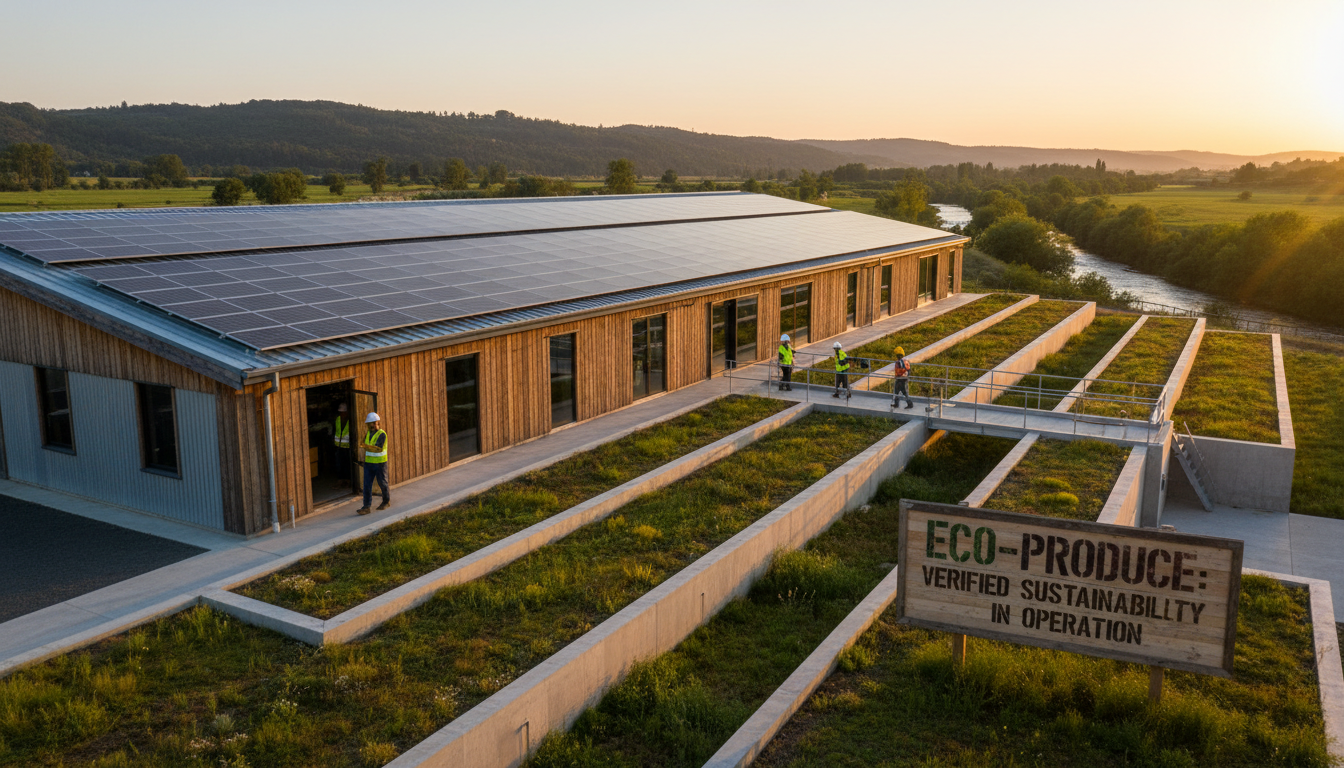
Sustainability is no longer just a buzzword; it’s a critical component of business strategy. Startups are increasingly incorporating sustainable practices into their growth strategies to meet consumer demand and regulatory requirements. Companies are focusing on reducing their carbon footprint, utilizing eco-friendly materials, and adopting circular economy principles. This not only enhances brand reputation but also attracts a new generation of environmentally conscious consumers.
Benefits of Sustainability
Implementing sustainable practices can lead to significant cost savings in the long term. By optimizing resource use and minimizing waste, startups can improve their bottom line while contributing positively to the environment. Moreover, sustainable brands often enjoy increased customer loyalty and higher employee satisfaction, driving further growth.
Leveraging Data Analytics for Growth
Data analytics has become indispensable for startups aiming to scale rapidly. By harnessing the power of big data, companies can gain valuable insights into consumer behavior, market trends, and operational efficiencies. This data-driven approach allows for more informed decision-making and personalized marketing strategies.
Data-Driven Personalization
Startups are using analytics to create highly personalized customer experiences. By analyzing purchasing patterns and preferences, companies can tailor their offerings to meet individual needs, leading to increased customer satisfaction and retention. Personalized marketing campaigns are proving to be more effective in converting leads into loyal customers.

Embracing Remote and Hybrid Work Models
The shift towards remote and hybrid work models is another trend that startups are embracing. This flexible approach not only helps in attracting diverse talent from across the globe but also reduces overhead costs associated with maintaining physical office spaces. Startups are investing in digital tools to facilitate seamless communication and collaboration among remote teams.
Challenges and Opportunities
While remote work offers numerous benefits, it also presents challenges such as maintaining company culture and ensuring productivity. Startups are addressing these issues by implementing robust digital solutions and creating virtual team-building activities. This adaptability is proving crucial for sustained growth in a post-pandemic world.

Focus on Customer Experience
Enhancing customer experience remains a top priority for startups. Companies are investing in technology to provide seamless and engaging customer interactions across all touchpoints. From AI-driven chatbots to intuitive mobile apps, the focus is on creating a frictionless journey for customers.
Building Brand Loyalty
Startups that prioritize customer experience often see higher levels of brand loyalty and advocacy. By consistently delivering exceptional service, companies can differentiate themselves from competitors and foster long-lasting relationships with their customers.

Conclusion
The landscape of startup growth strategies is continuously evolving. By embracing sustainability, leveraging data analytics, adopting flexible work models, and focusing on customer experience, startups can position themselves for success in an increasingly competitive market. Staying abreast of these trends will be key for any startup looking to achieve sustainable growth in the years to come.