Email Marketing Mastery: Engaging Customers and Driving Growth


Email marketing remains one of the most effective tools for businesses looking to engage customers and drive growth. By crafting well-thought-out email campaigns, companies can connect with their audiences in meaningful ways. Understanding the nuances of email marketing can be the difference between a successful campaign and one that falls flat.
Understanding Your Audience
The foundation of any successful email marketing campaign lies in understanding your audience. This means segmenting your email list based on customer behavior, preferences, and demographics. By tailoring content to specific groups, you can increase engagement and conversion rates.
Creating buyer personas can be immensely helpful in this process. These personas should include details such as age, interests, purchasing habits, and pain points. The more detailed your personas, the more personalized and effective your emails will be.
Crafting Compelling Content
Once you have a clear understanding of your audience, the next step is to craft compelling content. Your email content should be engaging, relevant, and valuable to the reader. Start with a catchy subject line that grabs attention and compels recipients to open the email.
Within the email, the content should be concise and focused. Use clear and direct calls to action (CTA) to guide readers towards the desired outcome, whether it's visiting a website, making a purchase, or signing up for a webinar.
The Power of Personalization
Personalization goes beyond simply addressing the recipient by name. It involves tailoring the entire email experience to the individual reader. Use data such as past purchase history, browsing behavior, and engagement patterns to offer personalized recommendations and offers.

By leveraging dynamic content, you can ensure that each recipient receives messages that are most relevant to them. This not only boosts engagement but also fosters a stronger connection between the brand and the customer.
Timing and Frequency
Knowing when to send your emails is crucial. Too many emails can overwhelm your audience, while too few can lead to missed opportunities. Analyze your open and click-through rates to determine the optimal frequency for your audience.
Consider the timing of your emails as well. Different audiences may be more responsive at different times of the day or days of the week. Testing and analyzing different sending times can help you find the sweet spot for your campaigns.

Analyzing and Optimizing
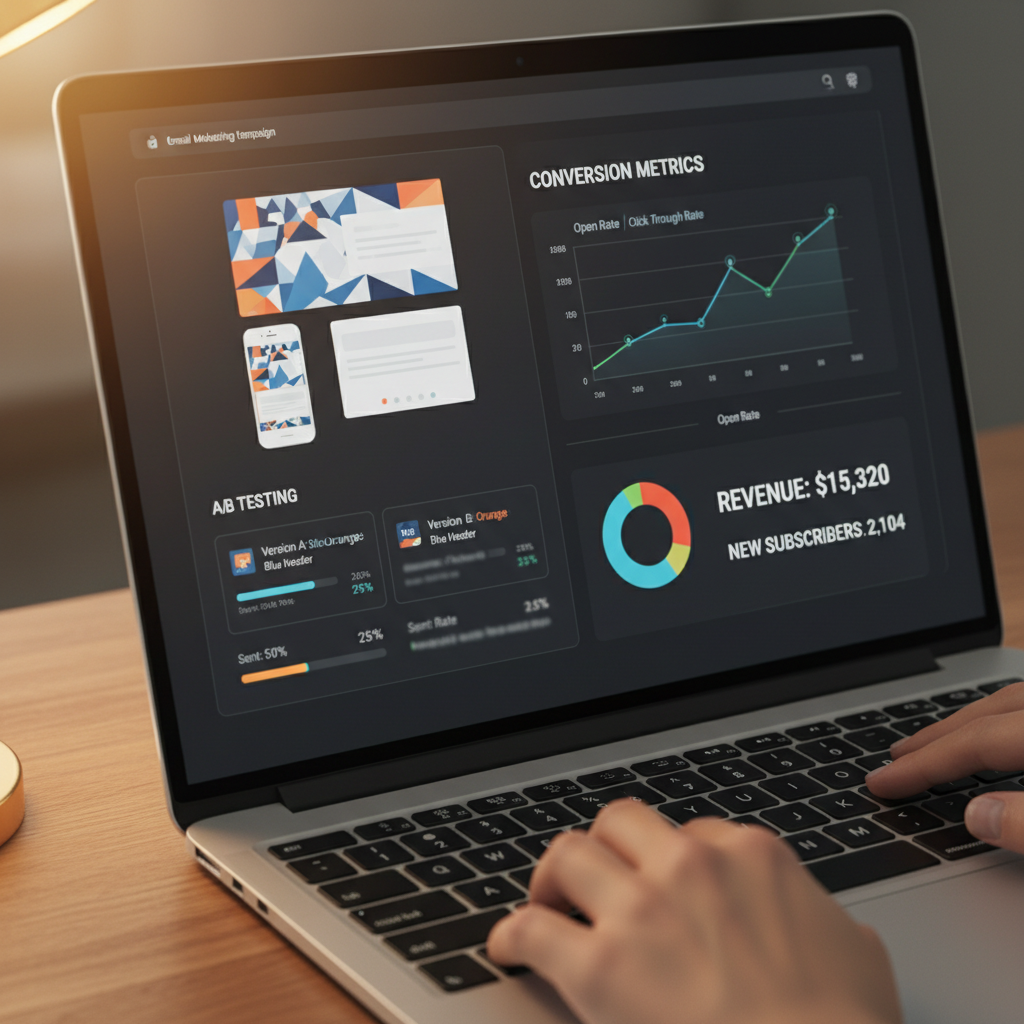
After launching an email campaign, the work doesn’t stop there. It’s essential to analyze the performance of your emails to understand what worked and what didn’t. Metrics such as open rates, click-through rates, and conversion rates provide valuable insights into the effectiveness of your campaign.
Use these insights to continuously optimize and refine your strategies. A/B testing different elements such as subject lines, content, and CTAs can lead to significant improvements over time.
Building Long-Term Relationships
Email marketing is not just about immediate sales; it's about building long-term relationships with your customers. By consistently providing value and engaging content, you can nurture these relationships and turn one-time buyers into loyal customers.
Ensure that your emails reflect your brand’s voice and values, and always prioritize authenticity. Building trust with your audience is key to achieving email marketing mastery.
In conclusion, mastering email marketing requires a strategic approach focused on understanding your audience, crafting compelling content, and continuously analyzing and optimizing your efforts. With the right strategies in place, email marketing can be a powerful tool for driving customer engagement and business growth.