Debunking Myths About Digital Advertising for Startups


Myth #1: Digital Advertising Is Too Expensive for Startups
One of the most common misconceptions about digital advertising is that it's prohibitively expensive for startups. While it’s true that large corporations often invest heavily in ads, digital advertising doesn’t have to break the bank. Platforms like Google Ads and social media channels offer budget-friendly options, allowing startups to set daily spending limits and target specific audiences. This means you can start small and scale as your revenue grows.
Additionally, the cost-effectiveness of digital advertising lies in its ability to reach the right audience. Unlike traditional media, where you pay for broad exposure, digital ads allow for precise targeting, ensuring you’re spending money on reaching potential customers who are genuinely interested in your product or service.

Myth #2: Digital Advertising Only Works for Big Brands
Another myth that holds startups back is the belief that digital advertising is only effective for large, established brands. This couldn’t be further from the truth. In fact, startups often benefit the most from digital ads because they allow smaller businesses to compete on a level playing field. Algorithms on platforms like Facebook, Instagram, and LinkedIn prioritize relevance over size, meaning your ad can perform just as well as—or better than—a big brand’s ad if it resonates with the target audience.
Startups can take advantage of niche targeting options to reach specific demographics or interests that align with their product or service. For example, a local coffee shop could target users in its immediate area who have expressed interest in coffee or café culture. This level of precision ensures that your advertising dollars are being spent wisely.
Myth #3: Digital Advertising Is Difficult to Manage
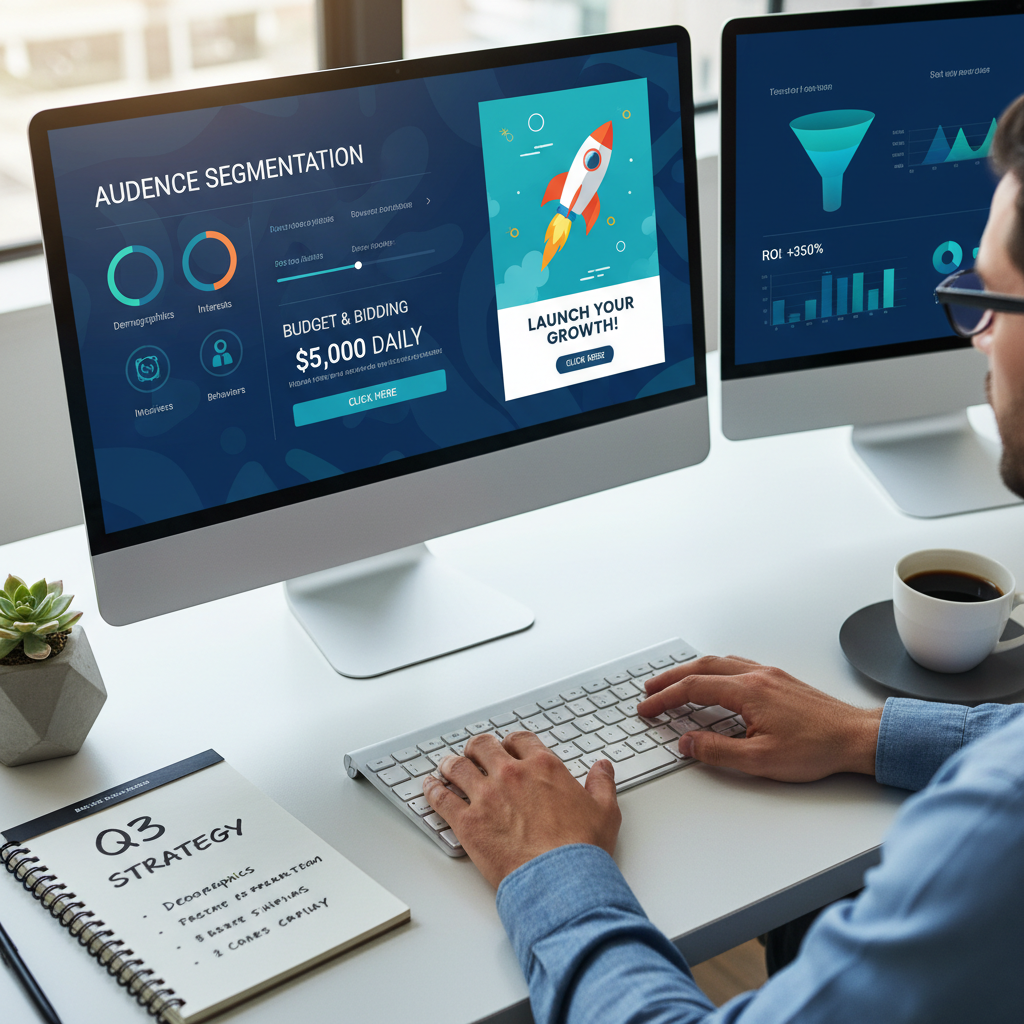
Managing digital advertising campaigns might seem intimidating to startups, especially if they have limited experience in marketing. However, many advertising platforms are designed with user-friendliness in mind. Tools like Google Ads, Facebook Ads Manager, and Instagram’s promotion features simplify the process, guiding users through campaign creation, targeting, and budget setup.
Moreover, startups can access free or low-cost resources to educate themselves on digital advertising strategies. Blogs, online tutorials, and webinars are readily available to help entrepreneurs refine their skills and maximize their ad performance. If managing ads still feels overwhelming, outsourcing to a freelancer or agency is also a viable option.
Myth #4: Digital Advertising Results Are Instant
Some startups approach digital advertising expecting immediate results, but the truth is that most campaigns need time to optimize and perform well. While digital ads can generate quick exposure, achieving meaningful conversions often requires patience and ongoing adjustments. Factors like audience targeting, ad design, and bidding strategies play a role in determining success.
It’s important to view digital advertising as a long-term investment rather than a quick fix. Monitoring data, analyzing trends, and tweaking campaigns are essential steps to improve performance and ensure sustainable growth. Startups that remain patient and persistent often see significant rewards over time.
Myth #5: You Need to Be a Marketing Expert to Run Ads
Many startups shy away from digital advertising because they believe they need extensive marketing expertise to succeed. While having marketing knowledge certainly helps, it’s not a prerequisite for running effective campaigns. Platforms like Facebook Ads and Google Ads provide intuitive tools that guide users through the process, making it accessible even for beginners.
Additionally, ad platforms often offer analytics dashboards that simplify performance tracking, helping users identify what works and what doesn’t. By experimenting with small campaigns and learning from the results, startups can gradually build confidence and expertise in digital advertising.

Myth #6: Organic Reach Is Enough for Startups
While organic reach is important for building brand awareness and credibility, relying solely on it can limit a startup’s growth potential. Algorithms on social media platforms prioritize paid content, making it increasingly difficult for organic posts to gain significant visibility. This is where digital advertising can act as a catalyst, amplifying your reach and driving traffic to your website or social media pages.
Combining organic and paid strategies is often the best approach for startups. Use organic posts to nurture relationships with your audience and paid ads to attract new leads and convert them into customers. Together, these strategies can create a powerful ecosystem for growth.
Myth #7: Digital Advertising Is Only About Selling Products
Finally, many startups assume that digital advertising is solely about selling products or services. While driving sales is a key goal, digital ads can also be used for brand awareness, lead generation, event promotion, and more. For example, a startup launching a new app could use ads to encourage users to download it, while a business hosting a webinar might run ads to attract attendees.
Understanding the versatility of digital advertising allows startups to tailor their campaigns to specific objectives. Whether you’re looking to build a loyal following or generate immediate sales, there’s a strategy that fits your needs.